



Don Johnson's Cumberland Motors

Blog / Jeep Dealer

Jeep Cherokee Turbo Hybrid vs Jeep Compass 4x4 for Cumberland, WI Drivers

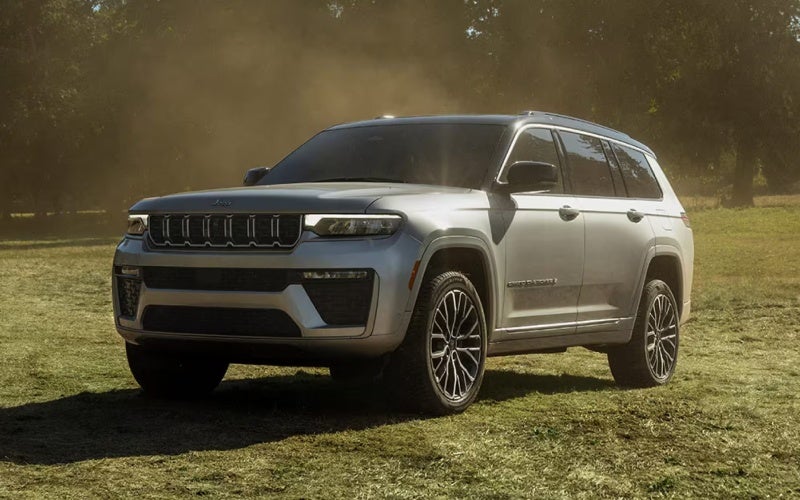
2026jeepcherokee-exterior-03
Jeep Cherokee Turbo Hybrid vs Jeep Compass 4x4 for Cumberland, WI Drivers

Don Johnson's Cumberland Motors CDJR - Jeep Cherokee Turbo Hybrid vs Jeep Compass 4x4 for Cumberland, WI Drivers

If you are shopping for a new Jeep SUV in Cumberland, WI, two models probably deserve a close look: the Jeep Cherokee Turbo Hybrid and the Jeep Compass 4x4. Both are smart fits for drivers who want Jeep capability without moving into a full-size SUV, and both make sense for the way people drive around Cumberland, Rice Lake, Turtle Lake, and the surrounding lake country. The real question is not simply which one is "better." It is which one matches your daily routine, cargo needs, fuel-efficiency expectations, towing plans, and comfort preferences.

At Don Johnson's Cumberland Motors CDJR, we help shoppers compare Jeep SUVs based on how the vehicle will actually be used. Around Cumberland, that can mean commuting on Highway 63, running errands around town, traveling to Rice Lake for work or shopping, heading toward Turtle Lake for weekend plans, or carrying fishing gear, sports bags, pets, and family cargo around Beaver Dam Lake. The Jeep Compass 4x4 and Jeep Cherokee Turbo Hybrid overlap in some ways, but each has a distinct personality that can make the decision easier once you understand the differences.

Quick Answer: Which Jeep SUV Should You Choose?

Choose the Jeep Compass 4x4 if you want a smaller, easy-to-park SUV with standard Jeep 4x4 capability, confident turbocharged power, practical cargo space, and trims like Trailhawk that lean into off-road confidence. Choose the Jeep Cherokee Turbo Hybrid if you want more passenger volume, more cargo room, a no-plug hybrid powertrain, strong fuel economy, and a higher towing rating while still keeping standard 4x4 capability across the lineup.

Both models are five-passenger SUVs, but the Cherokee is the roomier, more road-trip-oriented choice. Jeep lists the Cherokee with 33.6 cubic feet of cargo space behind the second row and up to 68.3 cubic feet with the second row folded. The Compass is more compact, with 27.2 cubic feet behind the second row and up to 59.8 cubic feet with the second row folded. If your weekends often include coolers, folding chairs, hockey bags, lake supplies, or multiple passengers, that extra space in the Cherokee can be a deciding factor.

Powertrain and Efficiency: Turbo Hybrid vs Turbo Gas

The Jeep Cherokee Turbo Hybrid uses a 1.6L I4 Turbo Hybrid engine that combines gas power with electric assist through regenerative braking. The important part for many shoppers is that it does not need to be plugged in. Jeep lists the Cherokee Turbo Hybrid at up to 37 combined MPG and over 500 miles of total driving range on a tank of gas. For Cumberland drivers who make regular trips to Rice Lake, Barron, or the Twin Cities area, that range can mean fewer fuel stops and a relaxed long-drive experience.

The Jeep Compass uses a 2.0L Turbo engine with 200 standard horsepower and 221 pound-feet of torque. Jeep also highlights its standard 4x4 capability and an EPA-estimated 23 city, 31 highway, and 26 combined MPG rating for current Compass 4x4 models. It is a responsive, compact SUV that feels well suited for daily driving, short commutes, and errands where easy maneuverability matters. If your driving is mostly local and you value a smaller footprint, the Compass has a lot going for it.

4x4 Capability for Cumberland Roads and Weekend Detours

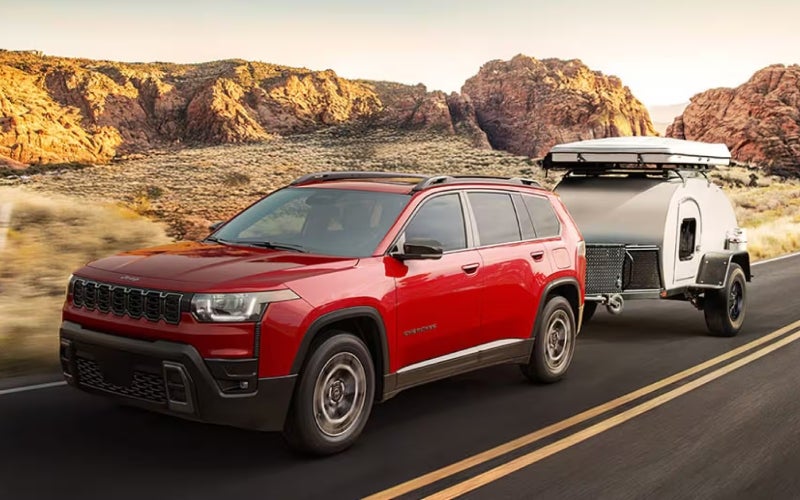
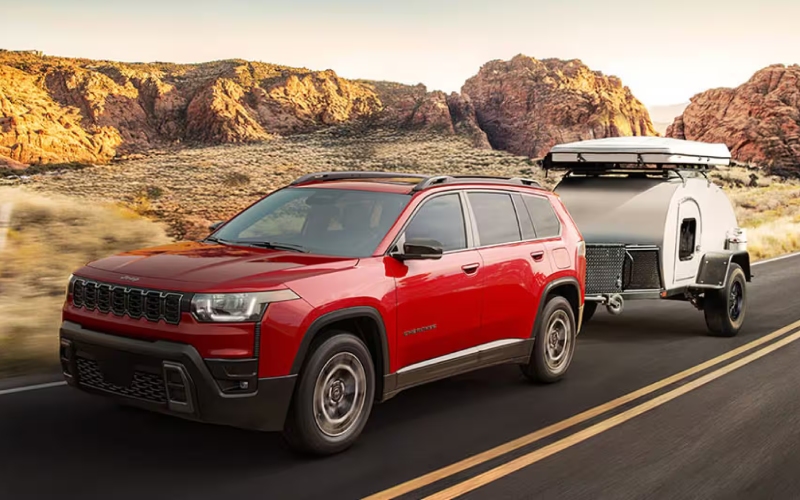
Jeep capability is a major reason shoppers compare these two SUVs. The Cherokee Turbo Hybrid comes with Jeep Active Drive I 4x4 across all trims, giving it built-in confidence for changing road conditions, gravel routes, and light off-pavement travel. Jeep also lists up to 20 inches of water-fording capability when properly driven in appropriate conditions, along with an Unsurpassed-in-Class towing capacity of up to 3,500 pounds when properly equipped.

The Compass is also a strong contender for drivers who want 4x4 confidence in a more compact package. Jeep notes that Compass models include the Jeep Active Drive 4x4 System, while the Compass Trailhawk uses Jeep Active Drive Low with a 20:1 crawl ratio. The Compass Trailhawk also brings features such as Selec-Terrain with an exclusive Rock Mode, Hill Descent Control, and Falken WildPeak All-Terrain Tires. If your idea of a Jeep SUV includes exploring unpaved roads, reaching trailheads, or navigating rougher cabin approaches, the Trailhawk version of the Compass is especially compelling.

Cargo, Seating, and Everyday Practicality

For many Cumberland shoppers, the cargo area is where the Cherokee starts to pull ahead. The larger cargo hold makes a noticeable difference if you are carrying outdoor gear, school supplies, groceries, or luggage for a family weekend. Jeep lists the Cherokee with 107 cubic feet of passenger volume, 41.3 inches of front legroom, and 38.5 inches of rear legroom. That gives it a comfortable layout for adults in both rows.

The Compass still offers useful space, especially for a compact SUV. Jeep lists the Compass with 100 cubic feet of passenger volume, 41.8 inches of front legroom, and 38.3 inches of rear legroom. In other words, the Compass does not feel cramped for its size. The main difference is behind the rear seats and when you fold the second row. If you regularly carry bulky items, the Cherokee gives you more flexibility. If you mostly carry passengers plus everyday cargo, the Compass may be all the space you need.

Towing Needs: Small Trailer, Boat, or Utility Load?

If towing is part of your buying decision, the Cherokee has the advantage. Jeep lists the Cherokee Turbo Hybrid with a maximum towing capacity of 3,500 pounds when properly equipped. That can be useful for small recreational trailers, lightweight utility trailers, or certain compact outdoor equipment setups. Always confirm your exact towing needs with our team, since towing depends on vehicle configuration, trailer weight, payload, accessories, and proper equipment.

The Compass can tow up to 2,000 pounds when properly equipped, which is still helpful for many light-duty needs. For small utility trailers, kayaks on a lightweight trailer, or limited recreational gear, that may be enough. But if your plans involve heavier loads or more frequent towing, the Cherokee gives you a larger margin.

Technology and Safety Features to Compare

Both SUVs offer technology that fits modern driving. The Cherokee features a large 12.3-inch Uconnect touchscreen, a 10.25-inch Digital Cluster Display, wireless Apple CarPlay support, Android Auto compatibility, and available features like a wireless charging pad, Digital Rearview Mirror, and 360-degree Surround View Camera. Jeep also highlights more than 140 standard and available safety and security features on the Cherokee Turbo Hybrid, including Active Driving Assist, Full-Speed Forward Collision Warning with Active Braking, Blind Spot Monitoring, Rear Cross Path Detection, Adaptive Cruise Control, and Drowsy Driver Detection.

The Compass also brings useful tech, including an available 10.1-inch Uconnect touchscreen, wireless Apple CarPlay support, Android Auto compatibility, available Active Driving Assist, Drowsy Driver Detection, and a high-strength steel body structure. For Cumberland drivers who want confident commuting technology without moving into a larger SUV, the Compass offers an appealing mix of convenience and capability.

Best Reasons to Choose Each SUV

  • Choose the Jeep Cherokee Turbo Hybrid if: You want no-plug hybrid efficiency, more cargo space, more passenger volume, a higher towing rating, and standard 4x4 capability in a midsize-feeling SUV.
  • Choose the Jeep Compass 4x4 if: You want a smaller SUV with standard 4x4, turbocharged power, easy maneuverability, strong everyday practicality, and available Trailhawk off-road hardware.
  • Choose Cherokee for road trips: The longer driving range, larger cargo area, and roomy cabin make it well suited for longer Wisconsin drives.
  • Choose Compass for everyday simplicity: Its compact size is convenient for parking, errands, and daily driving while still delivering Jeep confidence.
  • Choose Cherokee for towing flexibility: Its higher maximum tow rating gives you more room for small trailers and recreational gear.
  • Choose Compass Trailhawk for trail-focused value: Its all-terrain tires, Rock Mode, Hill Descent Control, and Active Drive Low system make it a standout compact Jeep SUV.

How Don Johnson's Cumberland Motors CDJR Can Help You Decide

The best way to compare these SUVs is to sit in both, fold the rear seats, check the cargo area, review the tech, and take a drive that reflects how you travel around Cumberland. Our non-commissioned sales team is trained to help you choose based on your needs, not pressure. As part of the Don Johnson Advantage, we also offer one-stop shopping, online tools, trade-in resources, financing support, technology refreshers, and full-service facilities with Chrysler, Dodge, Jeep, and Ram trained technicians.

If you already know you want a Jeep SUV but are undecided between the Cherokee Turbo Hybrid and Compass 4x4, we can walk you through trims, 4x4 systems, safety features, cargo measurements, and towing considerations. We can also help you value your trade, explore buying power, and compare configurations so the final choice feels clear.

Frequently Asked Questions:

Does the Jeep Cherokee Turbo Hybrid need to be plugged in?

No. The Jeep Cherokee Turbo Hybrid does not require plug-in charging. Its hybrid system uses regenerative braking to help generate electric energy while driving.

Which has more cargo space, the Jeep Cherokee or Jeep Compass?

The Jeep Cherokee offers more cargo space. Jeep lists the Cherokee at up to 68.3 cubic feet with the second row folded, while the Compass offers up to 59.8 cubic feet with the second row folded.

Which Jeep SUV is better for towing around Cumberland, WI?

The Jeep Cherokee Turbo Hybrid offers the higher maximum towing rating at up to 3,500 pounds when properly equipped. The Jeep Compass can tow up to 2,000 pounds when properly equipped.

Is the Jeep Compass Trailhawk good for gravel roads and rougher routes?

Yes. The Compass Trailhawk is built for added capability with Jeep Active Drive Low, Selec-Terrain with Rock Mode, Hill Descent Control, and all-terrain tires.

Where can I compare the Jeep Cherokee and Jeep Compass near Cumberland, WI?

You can compare both at Don Johnson's Cumberland Motors CDJR at 1925 Elm St in Cumberland, WI. Our team can help you review features, trims, financing options, and trade-in value.
Request more information

Posted in:

Related Posts

Jeep vs Subaru for Gravel Roads, Lake Weekends, and Daily Driving in Cumberland, WI

Jeep vs Subaru for Gravel Roads, Lake Weekends, and Daily Driving in Cumberland, WI

Don Johnson's Cumberland Motors CDJR - Jeep vs Subaru for Gravel Roads, Lake Weekends, and Daily Driving in Cumberland, WI For many shoppers around Cumberland, WI, the vehicle search often comes down to one practical question: which brand fits real life in northwest Wisconsin better, Jeep® or Subaru? Both brands have strong reputations for confidence beyond smooth pavement, and both appeal to people who value all-weather traction, useful cargo space, and weekend flexibility. Subaru is known for standard Symmetrical All-Wheel Drive on most models, efficient crossover designs, and a loyal following among commuters and outdoor-minded owners. Jeep®, on the other hand, brings a deeper lineup of 4x4 systems, available trail-focused engineering, stronger capability credentials, and a wider range of SUV and truck choices for everything from daily errands in Cumberland to boat launches near Beaver Dam Lake or cabin roads outside Rice Lake. At Don Johnson's Cumberland Motors CDJR, we often help shoppers compare these two brands because the overlap is real. A Subaru Outback, Forester, or Crosstrek can be a sensible choice for a buyer focused on simple all-wheel-drive transportation and car-like manners. A Jeep® Compass, Cherokee, Grand Cherokee, Wrangler, Gladiator, Wagoneer, or Grand Wagoneer may be a better match for a shopper who wants more capability options, a more adventurous personality, available towing strength, and the ability to choose a vehicle built around specific ownership needs. The best answer depends on how you drive, what you carry, and how far from paved roads your plans may take you. Real-World Use Case: One Vehicle for Commuting, Gravel Roads, and Weekend Recreation Life around Cumberland can ask a lot from a vehicle. A weekday may include school drop-offs, a run down US-63, a commute toward Barron or Rice Lake, and a stop for supplies on the way home. A weekend may mean kayaks, fishing gear, a small trailer, pets, friends, or a trip to a family cabin on a rutted access road. In that kind of mixed-use ownership scenario, the Jeep® lineup stands out because it does not treat capability as a one-size-fits-all feature. Instead, Jeep® offers a broad range of available 4x4 systems, ground-clearance options, drive modes, tow-ready configurations, and trim personalities. Subaru crossovers are often easy to live with and confident for normal commuting. Symmetrical All-Wheel Drive is a key Subaru strength, and features such as X-MODE on select models can help with low-traction surfaces. For many paved-road and light gravel situations, that setup works well. Jeep® simply gives shoppers more room to grow. A Jeep® Grand Cherokee can deliver premium comfort with available 4x4 capability and strong towing credentials. A Jeep® Wrangler offers open-air freedom and serious trail capability. A Jeep® Gladiator adds a pickup bed to the Jeep® formula. A Jeep® Compass provides compact SUV practicality with available Jeep® 4x4 confidence. That variety matters when one household needs the right blend of comfort, utility, and adventure readiness. Capability: Subaru Is Confident, Jeep® Is Purpose-Built The biggest difference between Jeep® and Subaru is the way each brand approaches capability. Subaru designs many vehicles around sure-footed all-wheel-drive balance for everyday roads, gravel routes, and mild outdoor use. Jeep® builds much of its identity around vehicles engineered for more demanding terrain and varied driving conditions. That does not mean every Jeep® owner spends every weekend off-road. It means the brand gives owners access to hardware and systems designed for a wider range of surfaces and challenges. Jeep® capability can include features such as available 4x4 systems, the Selec-Terrain® Traction Management System on select models, available tow hooks, skid plates on certain trims, and Trail Rated® engineering on specific Jeep® vehicles. Trail Rated® capability is especially meaningful for shoppers who care about traction, water fording, maneuverability, articulation, and ground clearance. Subaru offers useful traction technology, but Jeep® has a stronger heritage and a broader selection for owners who expect more than light-duty confidence. Daily road confidence: Subaru Symmetrical All-Wheel Drive is a strong fit for commuters who want simple traction in a crossover format. Adventure flexibility: Jeep® 4x4 systems offer more choices for shoppers who want capability tailored to trails, gravel, boat ramps, and rougher access roads. Specialized off-road options: Jeep® Wrangler, Gladiator, and select Trail Rated® models provide capability that Subaru crossovers are not designed to match. Local utility: Jeep® SUVs and trucks are well suited for Cumberland-area roads, cabin approaches, lake weekends, and everyday family use. For a shopper who mostly drives paved roads and wants a practical crossover, Subaru deserves consideration. For a shopper who wants added capability for changing plans, heavier gear, recreational towing, or more remote destinations, Jeep® offers more depth. Lineup Variety and Lifestyle Fit Another Jeep® advantage is lineup range. Subaru focuses primarily on cars and crossovers, plus a few performance-oriented or specialty models depending on the model year. That lineup is easy to understand, but it can feel limited if a shopper wants something more rugged, more premium, more tow-capable, or more customizable. Jeep® covers a wider spectrum of lifestyles. A Jeep® Compass can serve as an efficient, city-friendly SUV with available 4x4 capability. A Jeep® Cherokee brings the classic midsize Jeep® SUV character that many northern Wisconsin drivers appreciate. A Jeep® Grand Cherokee adds upscale refinement, advanced available technology, and confident available towing strength. Wrangler remains an icon for removable roof and door possibilities, trail exploration, and unmistakable Jeep® design. Gladiator is a rare choice for shoppers who want truck utility with Jeep® personality. Wagoneer and Grand Wagoneer bring full-size SUV comfort, space, and strength for larger families or frequent travelers. Subaru models such as Outback, Forester, and Crosstrek are often cross-shopped because each can carry people and gear with confidence. Still, Subaru does not offer a Wrangler-like SUV, a Gladiator-style truck, or a full-size premium SUV comparable to Wagoneer and Grand Wagoneer. For buyers who want a vehicle that feels personal instead of simply practical, Jeep® has a clear edge. Comfort, Technology, and Safety Considerations Modern Jeep® vehicles are not just about ruggedness. Many models offer refined interiors, intuitive infotainment, useful driver-assist features, and comfort options that make daily driving enjoyable. Available Uconnect® systems are known for straightforward menus and responsive operation, while select Jeep® vehicles offer large touchscreens, digital displays, wireless smartphone compatibility, premium audio, and comfort features designed for longer drives. Subaru also performs well in this area. EyeSight® Driver Assist Technology is a well-known Subaru safety feature suite, and Subaru interiors tend to emphasize visibility and practical controls. The difference is that Jeep® often combines comfort and technology with a more distinctive ownership experience. A Grand Cherokee can feel refined enough for business travel while still being ready for a gravel road turnoff. A Wrangler can bring modern infotainment and available driver-assist features while keeping the open-air character that made Jeep® famous. For shoppers who want both convenience and character, Jeep® offers a more engaging blend. Towing, Cargo, and Gear Hauling For many Cumberland-area shoppers, towing is not an everyday task, but it is an important part of ownership. A small fishing boat, utility trailer, pair of ATVs, camping trailer, or family gear trailer can quickly influence a buying decision. Subaru vehicles can offer useful towing ability depending on model and configuration, but Jeep® provides more choices for shoppers who plan around towing and heavier recreational gear. Jeep® Grand Cherokee is a strong example of how the brand balances family comfort with available towing capability. Gladiator adds open-bed cargo flexibility for tools, coolers, bikes, or outdoor equipment. Wagoneer and Grand Wagoneer serve larger households with substantial space and towing strength when properly equipped. Even for shoppers who do not tow often, choosing a Jeep® can create more confidence for future needs. For commuting and errands: Jeep® Compass and Cherokee can offer practical SUV dimensions with available 4x4 capability. For family travel and towing: Jeep® Grand Cherokee, Wagoneer, and Grand Wagoneer provide more space, comfort, and available strength. For open-air adventure: Jeep® Wrangler delivers a driving experience Subaru does not directly duplicate. For utility with Jeep® character: Jeep® Gladiator combines pickup functionality with trail-ready design. This is where Jeep® often becomes the more future-proof choice. A shopper may start with daily commuting as the main priority, then later add a camper, boat, hunting land access, or a new hobby. Jeep® makes it easier to choose a vehicle with room for that next chapter. Ownership Support in Cumberland, WI Brand comparison is important, but the dealership relationship also matters. At Don Johnson's Cumberland Motors CDJR, we are a fifth-generation family-owned dealership, and our team is committed to creating relationships through sales, service, parts, financing, and collision repair. Our Cumberland location at 1925 Elm St serves local guests as well as shoppers from Rice Lake, Hayward, Barron, New Richmond, and surrounding communities. We support Jeep® ownership with factory-trained technicians, Mopar® parts and accessories, Quick Lube service, available shuttle service, collision repair, online scheduling, and helpful technology refreshers. Our goal is to make long-term ownership easier, whether your Jeep® has 10,000 miles or 100,000 miles. Subaru has a loyal service network as well, but buying from our CDJR team gives local Jeep® owners access to people who know the brand, understand regional driving needs, and can help match features to real use. Which Brand Is the Better Fit? Subaru is a solid choice for shoppers who want a practical all-wheel-drive crossover for commuting, errands, and light outdoor activity. Jeep® is the stronger choice for shoppers who want broader capability, more model variety, available 4x4 systems, towing flexibility, and a vehicle with a more adventurous personality. Around Cumberland, where daily driving can blend quickly into gravel roads, lake access, family hauling, and weekend exploring, that extra Jeep® flexibility is valuable. If you are comparing Jeep® and Subaru, our team at Don Johnson's Cumberland Motors CDJR can help you think through the decision without pressure. We can review seating needs, cargo space, towing goals, 4x4 expectations, technology preferences, and long-term ownership plans. For many local shoppers, Jeep® offers the right mix of confidence, comfort, and freedom for the way life actually happens in northwest Wisconsin. Frequently Asked Questions: Is Jeep® better than Subaru for gravel roads around Cumberland, WI? Both brands can handle gravel roads well, but Jeep® offers more available 4x4 systems and more rugged model choices. For light gravel use, Subaru is capable. For rougher access roads, boat launches, trails, or changing terrain, Jeep® provides stronger options. Which brand is better for towing, Jeep® or Subaru? Jeep® generally offers more towing-focused choices, especially with models such as Grand Cherokee, Gladiator, Wagoneer, and Grand Wagoneer when properly equipped. Subaru can tow with select models, but Jeep® gives shoppers more range for recreational trailers and heavier gear. Is Subaru more efficient than Jeep®? Some Subaru crossovers may appeal to shoppers prioritizing fuel economy in everyday driving. Jeep® offers a broader lineup, including efficient compact SUVs, capable 4x4 models, and electrified options in select vehicles. The best fit depends on driving habits and capability needs. Why buy a Jeep® from Don Johnson's Cumberland Motors CDJR? We offer local Jeep® expertise, factory-trained service, Mopar® parts, collision repair, financing support, and a relationship-focused dealership experience. Our Cumberland team understands the roads, recreation, and ownership needs of northwest Wisconsin shoppers. Request more information